A pizzeria, a wood-fired oven and a bag of zaatar
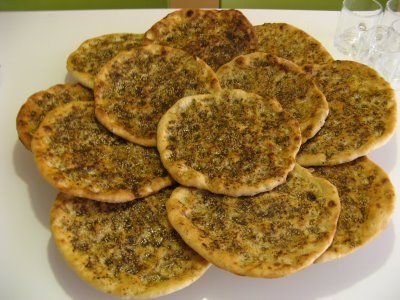
Before it was a Lebanese restaurant, the address was a pizzeria. André was one of its regulars. He would bring his own zaatar and ask them to bake him manakish in the wood-fired oven — a service that appeared on no menu, but that they were happy to provide.
Over time, he and the owner became friends. Until the day she asked him: how about buying the place? What settled it was the wood-fired oven. Le Cèdre Bleu opened in May 2001, at 10 Quai Romain Rolland, facing the Saône.
The oven eventually gave way to gas. It took up a good part of the kitchen and ran so hot that a skewer forgotten for a few seconds came out charred — and André likes talking with his guests. He lost enough skewers to make up his mind.
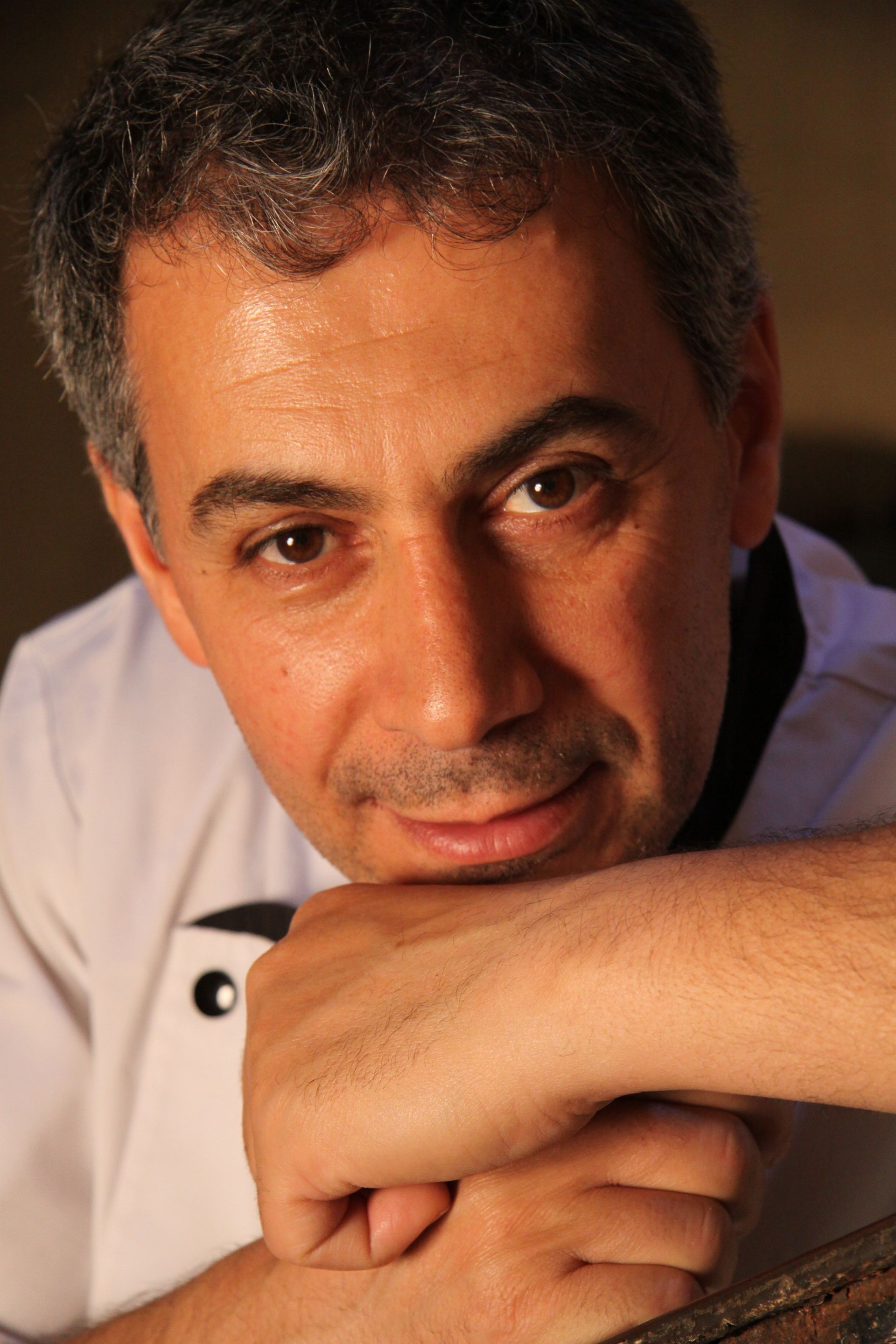
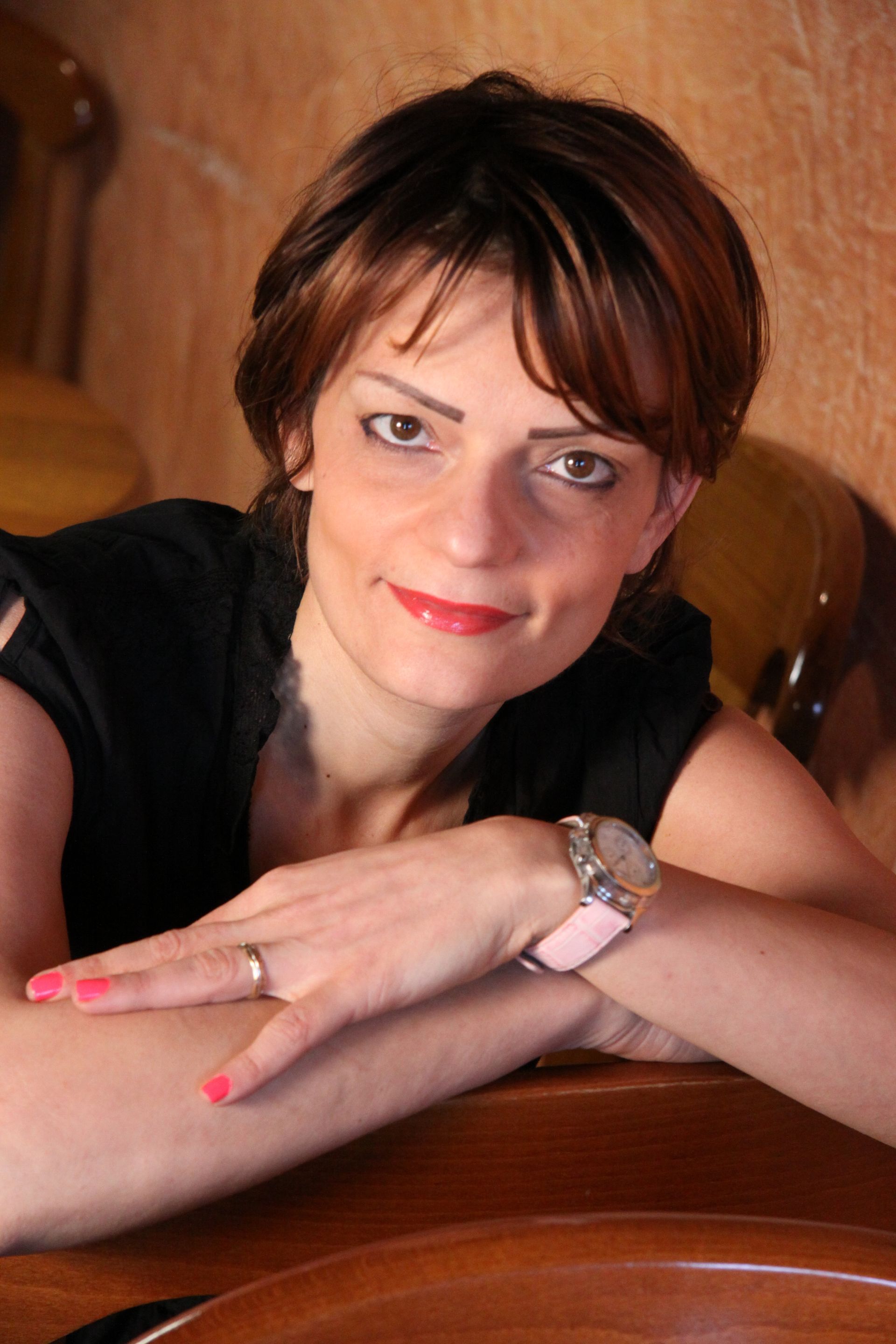
Since then, André and Mary Eid have run the place together: he in the kitchen, she in the dining room. The restaurant was built on regulars rather than passing trade — some guests have been coming for more than twenty years. That is the clientele that made its name, long before today's 4.7 out of 5 and 1,500 reviews.
From the Chouf to Old Lyon
André and Mary Eid come from Mtolleh, a mountain village in the Chouf, 750 metres up in Mount Lebanon. That is where they learned to cook — not in a school, but at home, in a region where the table is a family affair and mezze are prepared by several pairs of hands.
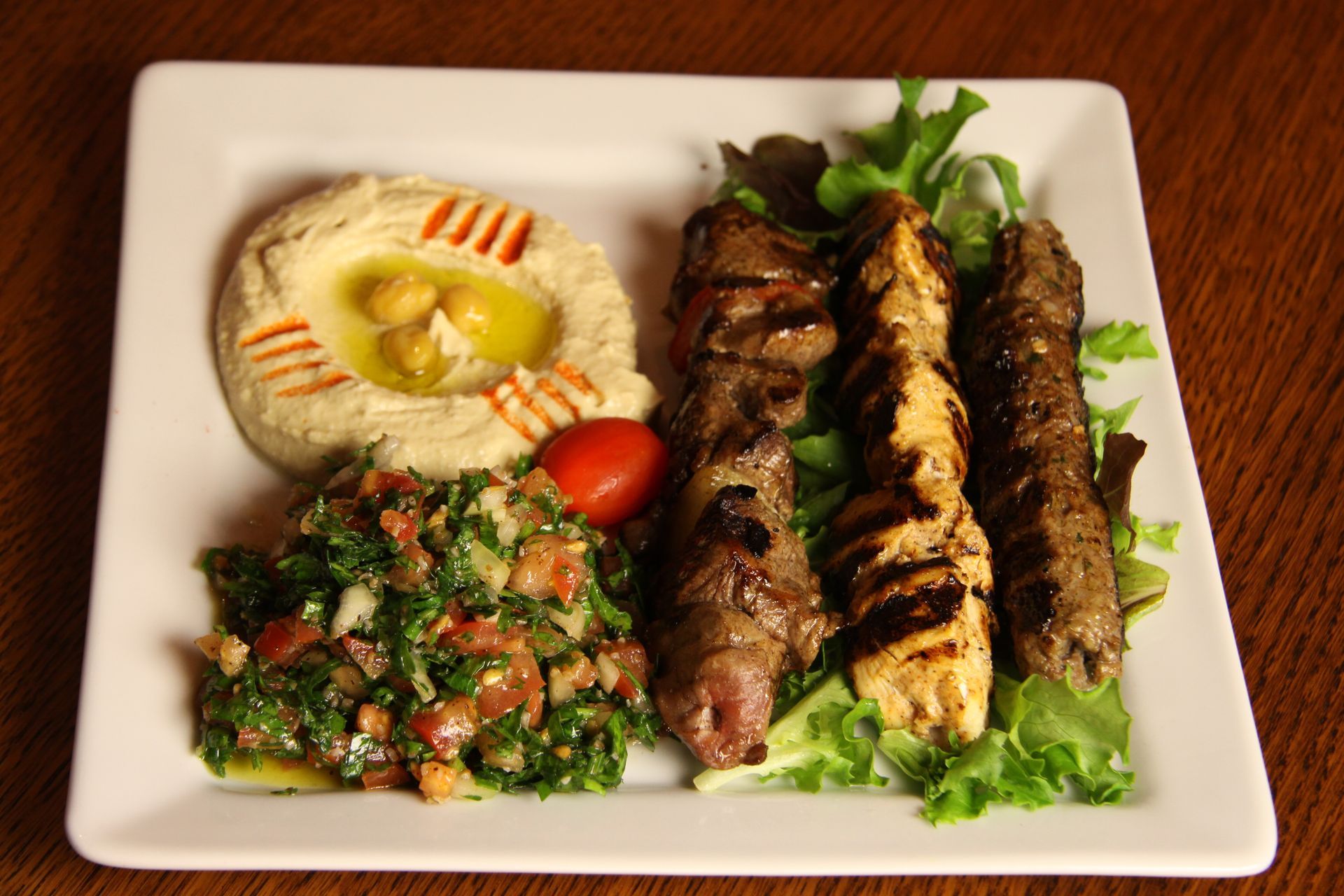
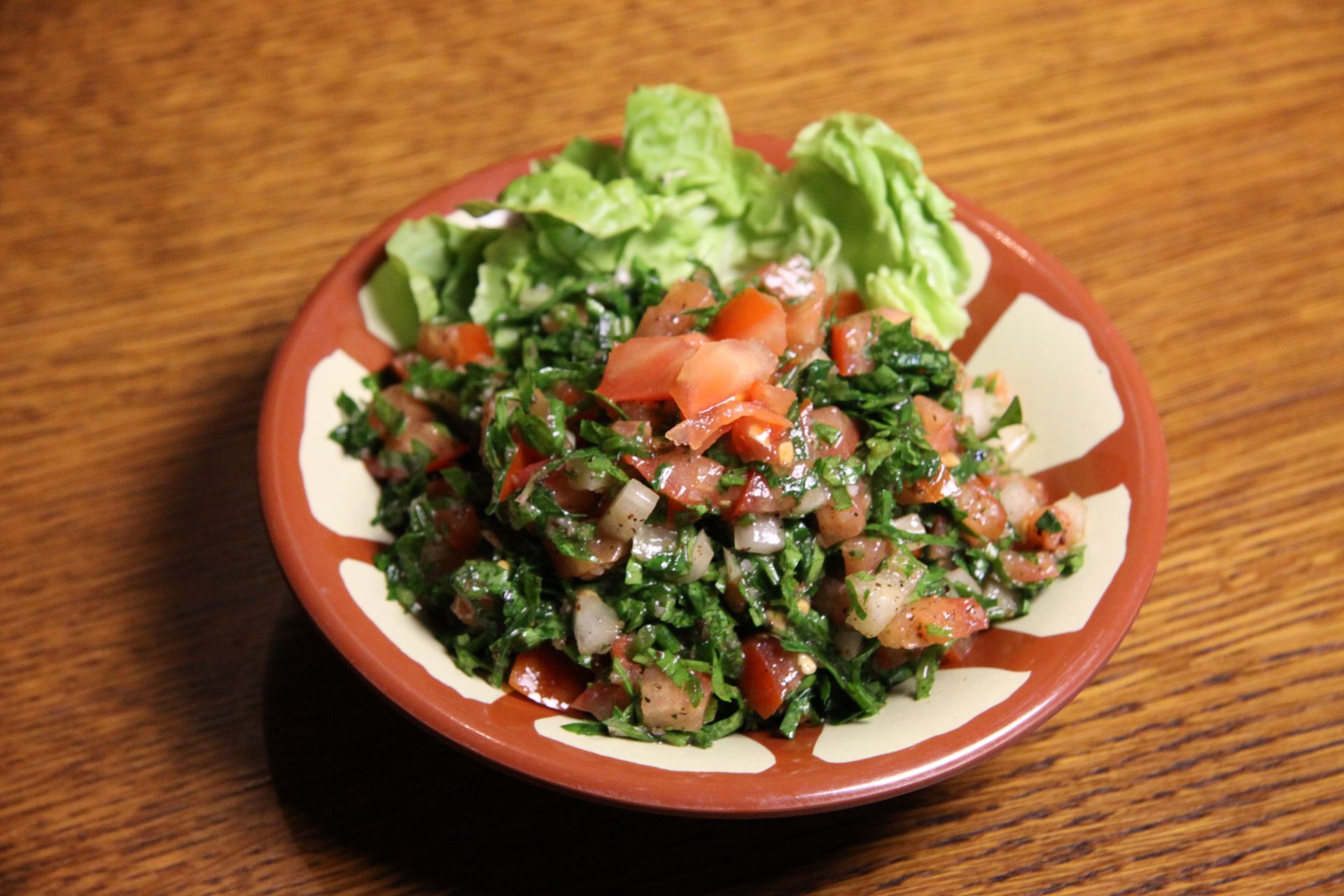
Chouf cooking is not the cooking of the coastal restaurants. It is more rural, more vegetable-led, built around what the mountain gives: cracked wheat, chickpeas, herbs, olive oil, zaatar. It is the cooking you find in the tabbouleh, the mutabbal, the vine leaves and the kibbeh on our menu.
Why Old Lyon
The choice of district was deliberate. Old Lyon is one of the few places in the city where locals and visitors cross paths all day long — a quarter that is alive at every hour, and one of the busiest in Lyon.
For a foreign cuisine, there is no better spot. Introducing people to the Lebanese table means being where they are willing to try something they do not yet know. A place people pass through, but also a place they come back to: exactly what was needed to settle in for the long run.
And then, more simply, there was the charm of it. The traboules — the covered passageways that cut through the buildings from one street to the next — won André over from the start.
Everything made by hand
Everything is prepared on site, every day. The mezze, the fatayer and sambousek pastry, the marinated meats, down to the desserts — katayef, maamoul. Nothing arrives ready-made.
That also explains how the place works. At lunchtime, the street food counter serves the same cooking in a quicker format: shawarma, falafel, manakish. In the evening, you sit down, share the mezze and take your time. Two ways into the same table.